If you’re building or upgrading your outdoor deck, one of the most important decisions you’ll make comes down to your deck posts and railings. They’re not just structural necessities — they’re a defining design feature that shapes the look, feel, and safety of your entire outdoor living space.
Whether you’re upgrading to metal deck railing posts, exploring composite systems, or starting a brand-new build from scratch, this guide will walk you through everything you need to know to choose the best option for your home.
Why Deck Posts and Railings Matter More Than You Think
Most homeowners focus on decking boards and stain colors — but it’s your posts and railings that carry the structural load and create the visual frame of your deck. Poorly installed or low-quality railings are one of the leading causes of deck-related injuries in the U.S. According to the International Residential Code (IRC), decks that are 30 inches or more above grade are required to have guardrails that are at least 36 inches high.
Beyond code compliance, your deck posts and railings set the architectural tone of your outdoor space. From sleek aluminum to modern cable systems, the materials and style you choose will directly affect:
- Safety for your family and guests
- Longevity in the face of weather, UV, and moisture
- Curb appeal and resale value of your home
- Maintenance requirements over time
At PMF II, we help homeowners across the USA find the right materials and solutions for their deck projects — from deck steps and railings to full railing system installations. Here’s what you need to know before you buy.
Types of Deck Posts and Railings: Which Is Right for You?
1. Metal Deck Railing Posts
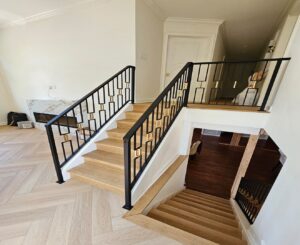
Metal deck railing posts — particularly aluminum and steel — have surged in popularity for good reason. They offer exceptional strength, a modern aesthetic, and dramatically lower maintenance requirements.
Best for: Modern and contemporary home styles, low-maintenance living, coastal or high-moisture climates
Pros:
- Extremely durable and long-lasting
- Powder-coated finishes resist rust, fading, and UV damage
- Low maintenance — no painting or staining required
- Sleek, contemporary look that elevates outdoor spaces
- Available in a wide range of styles and colors
Cons:
- Higher upfront cost than composite options
- Metal can feel hot to the touch in direct sunlight
- Some styles may not suit traditional home aesthetics
Popular metal options:
- Aluminum: Lightweight, rust-proof, and ideal for most residential applications. A top choice for metal deck railing posts across the USA.
- Steel: Heavier and stronger than aluminum, often used in commercial applications or for extra-heavy-duty residential builds.
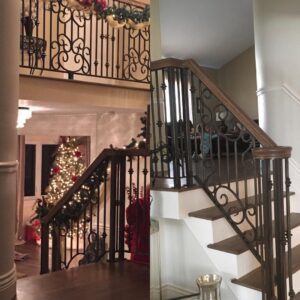
- Wrought iron: Classic, ornate look — beautiful but requires more maintenance to prevent rust.
2. Composite Deck Railing Posts
Composite railings combine recycled fibers with plastic polymers to deliver exceptional durability with a natural aesthetic — low maintenance and built to last.
Best for: Homeowners who want a natural look without the upkeep
Pros:
- Highly resistant to rot, insects, and moisture
- Low maintenance
- Available in a wide range of colors and natural textures
- Eco-friendly options available (recycled content)
Cons:
- More expensive than basic metal options
- Can feel hollow or artificial to the touch
- Some brands may fade or stain over time
3. Cable and Glass Railing Systems
For those who want to make a bold design statement, cable and glass railing systems offer an ultra-modern, open aesthetic that maximizes views and natural light.
Best for: Luxury homes, waterfront properties, elevated decks with scenic views
Pros:
- Stunning, unobstructed views
- Minimal visual footprint
- Highly durable when properly installed
- Glass panels are easy to clean
Cons:
- Higher cost — one of the most expensive railing options
- Cable systems require periodic tensioning
- May not be permitted under all local codes — always check with your municipality
Deck Steps and Railings: Don’t Overlook This Critical Zone
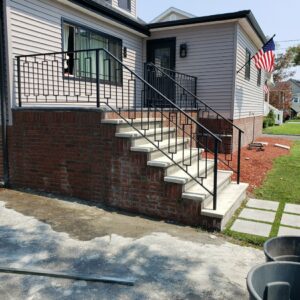
One area homeowners frequently underinvest in is deck steps and railings. Stairways are statistically one of the highest-risk areas of any deck — and yet many homeowners treat step railings as an afterthought.
Here’s what to keep in mind:
- IRC code typically requires handrails on stairways with four or more risers
- Handrails must be graspable — meaning round or oval profiles are often preferred over flat 2×4 boards
- Step railings should match or complement the overall deck railing system for a cohesive look
- Posts at the base of stairs are particularly vulnerable to ground moisture — use rot-resistant materials or add post bases to keep them off the ground
At PMF II, we recommend treating your step railings as part of your overall design plan — not an afterthought. Coordinating your decking handrail posts from step to deck level creates a polished, professional finish that adds real value to your outdoor space.
Decking Handrail Posts: Key Sizing and Spacing Guidelines
Getting the sizing and spacing of your decking handrail posts right is critical for both safety and aesthetics. Here’s a quick reference:
| Post Type | Common Sizes | Typical Spacing |
|---|---|---|
| Aluminum posts | 2.5″–4″ square | Every 4–6 feet |
| Steel posts | 2″–3″ square | Every 4–6 feet |
| Composite posts | 3.5″–4″ square | Every 6–8 feet |
Pro tips:
- Always check your local building codes — spacing requirements vary by state and municipality
- Corner posts and end posts typically require closer placement for structural integrity
- When using metal deck railing posts, use proper post base hardware to prevent moisture intrusion at the footing
- For elevated decks (above 6 feet), consider upgrading to heavy-gauge steel posts for added rigidity
How to Choose the Best Deck Railing System for Your Home
With so many options available, here’s a simple framework to guide your decision:
Step 1: Define Your Budget
Material costs vary depending on the system you choose. Aluminum and composite are mid-range options, while glass and custom metal systems are premium. Factor in installation costs and long-term maintenance expenses — a higher upfront cost on low-maintenance materials often pays off over time.
Step 2: Consider Your Climate
In the USA, climate plays a major role in material longevity:
- Humid/coastal areas (Southeast, Gulf Coast, Pacific Coast): Aluminum or composite railings are ideal to resist moisture and salt air
- Freeze-thaw climates (Midwest, Northeast): Look for materials that handle temperature swings without cracking or warping
- High UV climates (Southwest, Mountain West): Choose powder-coated metal or UV-stabilized composite to prevent fading
Step 3: Match Your Home’s Architectural Style
- Traditional/Colonial homes → Wrought iron or composite with classic profiles
- Modern/Contemporary homes → Aluminum, cable, or glass systems
- Craftsman/Farmhouse homes → Composite with simple profile posts
- Coastal/Beach homes → Aluminum or stainless cable with open spacing
Step 4: Check Local Building Codes
Always verify your local codes before purchasing. Key items to confirm:
- Minimum railing height (typically 36″ for decks under 30″ high, 42″ for decks over 30″)
- Baluster spacing (typically no more than 4″ apart)
- Post attachment and footing requirements
- Permit requirements for your project
Step 5: Think About Long-Term Maintenance
Ask yourself honestly how much time and money you’re willing to invest in upkeep. If the answer is “as little as possible,” aluminum or composite is your best bet — both require minimal ongoing care.
PMF II: Your Partner for Deck Posts and Railings in the USA
At PMF II, we understand that your deck is more than just an outdoor structure — it’s an extension of your home and lifestyle. Whether you’re building a simple backyard deck or a multi-level outdoor entertaining space, we’re here to help you navigate every material decision with confidence.
From deck steps and railings to metal deck railing posts and complete decking handrail posts systems, we offer guidance and solutions tailored to American homeowners who demand quality, safety, and lasting style.
Ready to start your deck project? Visit us at PMF II to explore our offerings and get expert advice for your next build.
Your Dream Deck Starts Here
Investing in the right deck posts and railings is one of the smartest moves you can make as a homeowner. The right choice protects your family, elevates your home’s curb appeal, and saves you money on maintenance and repairs for years to come.
Whether you choose the modern edge of metal deck railing posts, the low-maintenance appeal of composite, or the open elegance of cable and glass, the key is choosing materials and systems that align with your lifestyle, climate, and design vision.
Don’t rush the decision — take the time to plan, research local codes, and consult with professionals when needed. Your deck will thank you for it.