If you’ve ever stood at a window overlooking your backyard or street and wished you could throw it open and step out — without actually needing a full balcony — you’ve probably already thought about a Juliet balcony railing. It’s one of those features that quietly transforms a home, adding light, air, and a sense of openness without the cost or complexity of a full balcony build.
But choosing the right Juliet balcony railing isn’t as simple as picking whatever looks nice in a catalog photo. Material, style, safety codes, and your home’s architecture all play a role. Here’s what I’ve learned about making the right choice — whether you’re renovating an older home or designing something new.
What Exactly Is a Juliet Balcony Railing?
A Juliet balcony railing is a guardrail installed at a door or large window opening — usually on an upper floor — that creates the illusion of a balcony without an actual platform extending outward. The name comes from the classic image of Shakespeare’s Juliet leaning out over her balcony, and the style has stuck around for centuries because it delivers charm and function in equal measure.
Unlike a traditional balcony, there’s no floor space to walk on. Instead, the railing itself acts as a safety barrier, letting you open the doors fully, let in natural light, and enjoy the view while staying safely inside.
Why Homeowners Love Them
Before diving into how to choose one, it helps to understand why these railings have become so popular:
- They add architectural interest. A well-designed railing can turn a plain window into a striking focal point, both inside and out.
- They let in more natural light. Full-length doors paired with a Juliet railing brighten rooms that might otherwise feel closed off.
- They’re more affordable than a full balcony. No cantilevered structure or additional foundation work is required.
- They increase perceived space. Rooms feel larger and more connected to the outdoors, even without added square footage.
Key Factors to Consider When Choosing Your Railing
1. Material
This is usually the first decision, and it shapes everything else — cost, maintenance, and style.
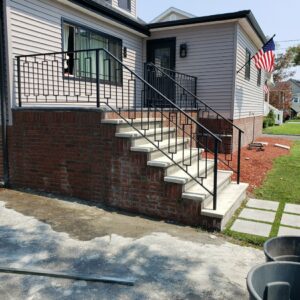
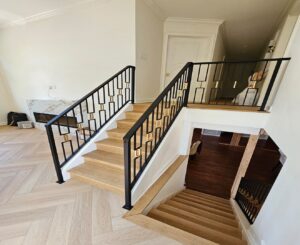
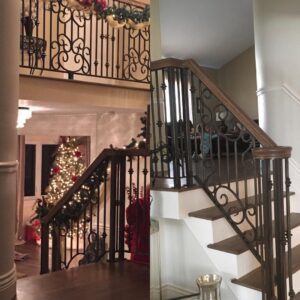
- Wrought iron or steel: Classic, sturdy, and often associated with traditional or French-inspired architecture. These railings can be powder-coated for weather resistance and come in countless decorative patterns.
- Glass: A popular choice for modern and minimalist homes. Glass panels (often framed in stainless steel or aluminum) maximize the view and let in the most light, though they do require more frequent cleaning.
- Aluminum: Lightweight, rust-resistant, and lower maintenance than iron, making it a practical option for coastal or humid climates.
- Cable railing: A sleek, contemporary option using horizontal steel cables instead of solid panels or bars — ideal for homes that want an unobstructed view.
Think about your local climate, too. If you live somewhere with heavy rain, salt air, or extreme temperature swings, corrosion-resistant materials like aluminum or coated steel will save you maintenance headaches down the line.
2. Style and Architectural Fit
Your railing should feel like it belongs to your home, not like it was added as an afterthought. A few pairings to consider:
- Traditional or colonial homes often suit wrought iron railings with classic scrollwork or simple vertical balusters.
- Modern or minimalist homes tend to look best with glass or cable railings that emphasize clean lines.
- Farmhouse or craftsman-style homes can work well with simple black metal railings or even wood-accented designs.
If you’re unsure, take a look at your home’s existing exterior details — window trim, door hardware, roofline — and choose a railing that echoes those design cues rather than competing with them.
3. Safety and Building Codes
This is non-negotiable. In the United States, Juliet balcony railings typically need to meet local building codes for guardrail height (usually a minimum of 36 to 42 inches, depending on jurisdiction) and baluster spacing (often no more than 4 inches apart, to prevent a small child from slipping through).
Before finalizing your design, it’s worth checking with your local building department or a licensed contractor to confirm your chosen railing meets code requirements. This isn’t just a box to check — it’s what keeps your family and guests safe.
4. Installation and Mounting
Juliet balcony railings are generally installed in one of two ways:
- Face-mounted, where the railing is fixed to the exterior wall or face of the building
- Top-mounted, where it’s anchored directly onto a sill or ledge
The right choice depends on your wall structure and the weight of the railing material. Heavier materials like wrought iron may require additional structural reinforcement, so it’s worth consulting a professional installer rather than treating this as a weekend DIY project.
5. Maintenance Needs
Every material comes with a different upkeep routine:
- Iron and steel may need periodic repainting or rust treatment, especially in humid climates.
- Glass requires regular cleaning to stay streak-free and maintain that clear view.
- Aluminum and cable systems are generally the lowest maintenance, needing just occasional wipe-downs.
If you don’t want to think about upkeep often, lean toward aluminum, cable, or powder-coated steel.
Bringing It All Together
Choosing the right Juliet balcony railing really comes down to balancing four things: the look you want, the material that suits your climate, the safety codes in your area, and how much upkeep you’re willing to do. There’s no single “best” option — the right choice is the one that fits your home’s character and your lifestyle.
If you’re in the early stages of planning a renovation or new build and want to explore railing styles, materials, and finishes in more detail, PMFII has a range of options worth browsing for inspiration before you commit to a final design.
Whatever you choose, a well-designed Juliet balcony railing is one of those small architectural details that can make a lasting difference — turning an ordinary window into a favorite spot in your home.