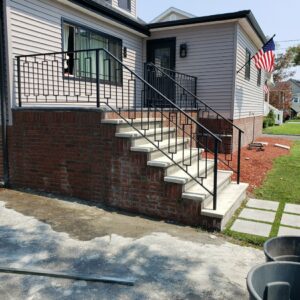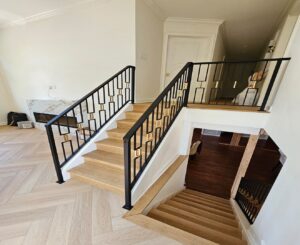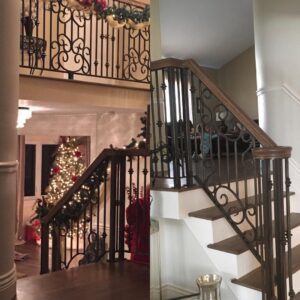
I still remember the afternoon I stood on my front porch, coffee in hand, staring at the sad, wobbling railing that had seen better days. It was chipped, rusted in spots, and honestly, a little embarrassing every time guests came to visit. That was the moment I decided — it’s time for new front porch railings.
What I thought would be a simple weekend decision turned into a three-week deep dive into metal materials, styles, codes, and contractors. I made mistakes. I asked too many questions at the hardware store. I called my neighbor Dave about four times too many.
But here’s the good news: you don’t have to go through all of that. I’m going to walk you through everything I wish I’d known before I started — so you can make the right metal railing choice for your home from day one.
Why Front Porch Railings Matter More Than You Think
Most people think of railings for front porches as purely decorative — something to make the house look nice from the street. And sure, curb appeal is real. A well-chosen metal railing can completely transform the look of your home’s entrance.
But railings are also a safety feature. If your porch is elevated more than 30 inches off the ground, most U.S. building codes actually require a railing. And even if your porch is lower than that, railings provide support for elderly guests, children, and anyone carrying groceries in both hands on an icy morning.
So when you’re choosing front porch railings, you’re really choosing:
- Safety — for your family and visitors
- Style — for your home’s curb appeal
- Durability — for your long-term peace of mind
- Compliance — for your local building codes
Let’s break all of this down.
Know Your Local Building Codes
Before you fall in love with a style on Pinterest, check your local building codes. This is the step most homeowners skip — and then regret.
In the United States, the International Residential Code (IRC) is the baseline that most states follow. Here’s a quick summary of what it typically requires:
- Height: Railings must be at least 36 inches tall for porches up to 30 inches off the ground, and 42 inches for higher decks or porches.
- Balusters: The space between balusters (the vertical posts) must be no more than 4 inches apart — enough to prevent a 4-inch sphere from passing through (which keeps small children safe).
- Graspability: The top rail must be graspable — typically between 1.25 and 2 inches in diameter.
Your local municipality may have additional requirements, especially if you live in a historic district or a community with an HOA. Always check with your local building department before you purchase or install anything.
Choose the Right Metal Material
This is the biggest decision you’ll make — and it affects everything from maintenance to how long your railing lasts. When it comes to strong, long-lasting front porch railings, three metals stand out above the rest: aluminum, wrought iron, and stainless steel. Each has its own strengths, and the right one depends on your home’s style, your climate, and how much upkeep you’re willing to do.
Aluminum
Aluminum has become one of the most popular choices for railings for front porches in recent years — and it’s easy to see why.
Pros:
- Lightweight and easy to install
- Rust-resistant and virtually maintenance-free
- Available in dozens of styles and colors
- Holds powder-coat finishes exceptionally well
- A great base for a sleek modern front porch railing look
Cons:
- Can dent under heavy impact
- May not suit very traditional or ornate home styles
For most modern or transitional homes, aluminum is a fantastic choice. It looks sharp, lasts for years, and you never have to worry about repainting or sealing it. If you want a clean, low-effort metal railing that performs year after year, aluminum is hard to beat.
Wrought Iron
Front porch wrought iron railings have an undeniable elegance that no other metal can fully replicate. Heavy, strong, and timeless — front porch iron railings are absolutely stunning on the right home, especially older, Victorian-style, or classic American houses.
Pros:
- Incredibly strong and long-lasting
- Classic, sophisticated look with timeless appeal
- Perfect for decorative front porch wrought iron railings with scrollwork and ornate detail
- Can be powder-coated for added rust protection
- Adds significant character and curb appeal
Cons:
- Can rust if the protective finish is chipped or damaged
- Heavier and more involved to install than aluminum
- Requires occasional touch-ups to maintain its finish
If you want your home to look like it belongs on a magazine cover, front porch iron railings are your answer. The intricate design possibilities of decorative front porch wrought iron railings are unmatched by any other material — and a well-maintained iron railing can last for generations.
Stainless Steel
Stainless steel is the premium choice for homeowners who want a sleek, modern front porch railing look with outstanding durability. It’s particularly popular in contemporary and coastal home designs.
Pros:
- Extremely strong and resistant to corrosion
- Minimal maintenance required
- Sleek, high-end appearance
- Works beautifully with cable railing systems
- Does not rust or stain under normal conditions
Cons:
- Can show fingerprints and smudges on polished finishes
- Heavier than aluminum
- Best suited for modern or contemporary aesthetics
Stainless steel railings for front porches offer a clean, architectural quality that few other metals can match. Whether used for posts, balusters, or full cable railing systems, stainless steel brings a bold, upscale feel to any entryway.
Pick a Style That Matches Your Home
Here’s where the fun begins. Metal front porch railings come in more styles than you might imagine, and the right one depends heavily on your home’s architecture.
Traditional / Colonial
Ornate front porch wrought iron railings with scrollwork and square posts give a classic, stately profile. The weight and detailing of iron elevate Colonial, Georgian, or farmhouse-style homes beautifully.
Modern / Contemporary
A clean stainless steel or aluminum modern front porch railing with horizontal cable panels and minimal ornamentation is the go-to for mid-century, industrial, or contemporary-style homes.
Victorian / Ornate
Decorative front porch wrought iron railings with intricate curves, scrolls, and detailed finials are made for older, character-filled homes. No other metal comes close to delivering this level of ornamental detail.
Coastal / Beach House
Brushed stainless steel or powder-coated aluminum with simple clean lines — sometimes paired with cable systems for open, breezy sightlines. The corrosion resistance of both metals makes them ideal for salt-air environments.
Craftsman / Transitional
Sturdy aluminum posts with simple square balusters in a matte black or bronze finish. A natural fit for bungalows and transitional-style homes where clean lines meet everyday durability.
My personal tip: Walk up to your house and really look at it. What’s the dominant material — brick, siding, stone? What are the existing architectural details? Your metal railing should feel like it belongs, not like it was bolted on as an afterthought.
Think About Color and Finish
Color and finish are just as important as the metal itself. Here are some rules of thumb that work particularly well for iron, aluminum, and stainless steel:
- Matte black never fails. A matte black front porch iron railing or powder-coated aluminum railing is one of the most versatile looks you can choose — it pairs beautifully with almost any exterior.
- Contrast for drama. Dark iron or stainless steel railings pop against light-colored siding and immediately add strong curb appeal.
- Go brushed for a softer modern look. Brushed stainless steel has a warmer, more subdued appearance than polished steel — perfect if you want a modern front porch railing without being too flashy.
- Powder-coating locks in color. Both aluminum and front porch wrought iron railings can be powder-coated in virtually any color, delivering a finish far more durable than standard paint and built to withstand the elements for years.
Why Professional Installation Is Almost Always the Right Call
When it comes to metal front porch railings, this isn’t really a debate — professional installation is the smarter choice for the vast majority of homeowners, and here’s why.
The Case for Going Pro
Metal railings — whether front porch wrought iron railings, stainless steel systems, or powder-coated aluminum — are a long-term investment in your home. The last thing you want is a railing that looks slightly off, sits unlevel, or fails a code inspection because a measurement was missed. Professional installers bring the right tools, the right expertise, and the experience to handle whatever your porch throws at them — unusual angles, uneven surfaces, structural post anchoring, and everything in between.
Iron fabrication and welding in particular require specialized skills that go well beyond a typical weekend DIY project. A professionally installed set of front porch iron railings will be structurally sound, properly secured, and finished to a standard that truly does justice to the material. The same goes for stainless steel cable systems, where tension, alignment, and code compliance all need to be spot on.
Beyond the craftsmanship, a professional installation gives you peace of mind. Your railing will meet local building codes, which matters both for safety and for resale value. You won’t be second-guessing your baluster spacing or wondering if your post anchors are deep enough.
At PMFII, the focus is exclusively on metal railings — aluminum, wrought iron, and stainless steel — designed, fabricated, and installed with the precision these materials demand. Whether you’re drawn to the timeless elegance of decorative front porch wrought iron railings or the crisp lines of a modern front porch railing in aluminum or stainless steel, PMFII has the expertise to get it done right the first time.
My Final Advice (From One Homeowner to Another)
After everything I went through with my own porch railing project, here’s what I’d tell my past self:
- Stick with metal. Aluminum, wrought iron, and stainless steel all outlast and outperform non-metal alternatives. You won’t regret the choice.
- Don’t rush the material decision. Look at aluminum, front porch iron railings, and stainless steel samples side by side in natural light before you commit.
- Check the codes first. Seriously. Do it before you fall in love with something.
- Think 10 years ahead. A low-maintenance metal railing now saves you a lot of time and headaches down the road.
- Match your home’s personality. A railing that clashes with your home’s architecture will bug you every single time you pull into the driveway.
- Get help when you need it. There’s no shame in calling a professional — especially for iron fabrication or stainless steel cable work.
Your front porch is the first thing people see when they come to your home. It’s where you wave goodbye to your kids in the morning and sit with a glass of iced tea in the evening. Good front porch railings — built from real metal that lasts, aren’t just a structural feature. They’re part of the story your home tells.
Make it a good one.
Looking for quality metal front porch railing solutions in aluminum, wrought iron, and stainless steel? Visit PMFII to explore options built to last and designed to impress.