A terrace is one of the best spots in any home — it’s where morning coffee happens, where dinner parties spill outside, and where a good view actually gets appreciated. But the railing around that terrace does more than keep people from falling off the edge. It sets the tone for the entire space. The right design can make a terrace feel open and airy or warm and grounded, while the wrong one can make an otherwise beautiful space feel dated or closed in.
If you’re searching for terrace railing ideas and trying to figure out what actually fits a modern home, this guide walks through the most popular styles, materials, and design considerations homeowners across the U.S. are choosing right now.
Why Terrace Railing Design Matters More Than You’d Think
Railings are one of the few architectural elements that are both functional and constantly visible. Unlike a fence at the edge of a yard, a terrace railing is right there — framing every view, every photo, and every moment spent outside. It also has to meet building code requirements for height and spacing, which means the design has to balance safety, durability, and style all at once.
At PMFII, we work with homeowners who often start their terrace renovation focused purely on the flooring or furniture, only to realize the railing is what ties (or doesn’t tie) the whole look together. Getting this one detail right changes the entire feel of the space.
Top Terrace Railing Designs for Modern Homes
1. Glass Panel Railings
Glass railings are the go-to choice for homeowners who want unobstructed views. Frameless or minimally framed glass panels create a nearly invisible barrier, which is especially popular for terraces overlooking a skyline, water, or landscaped yard. They pair well with contemporary architecture and let natural light pass through rather than block it.
Best for: Homes with a view worth showing off, minimalist or contemporary architecture.
2. Cable Railings
Horizontal stainless steel cables strung between metal posts have become one of the most requested terrace railing styles in the U.S. over the past several years. Cable railings offer the openness of glass with a slightly more industrial, tactile feel, and they tend to hold up well in windy or coastal environments since there’s no solid surface for wind to push against.
Best for: Coastal homes, modern farmhouses, and homeowners who want an open feel without the cost of full glass panels.
3. Metal Bar Railings
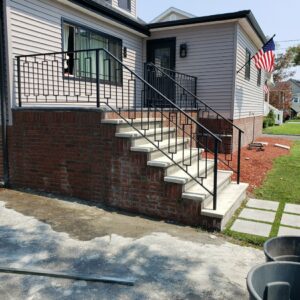
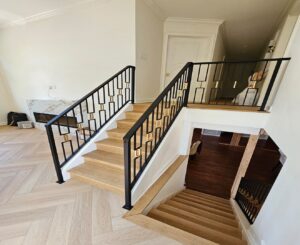
Vertical or horizontal metal bar railings, typically in aluminum or steel, remain a reliable choice for a reason. They’re durable and low-maintenance. They also come in a wide range of finishes, from matte black to bronze to brushed steel. A powder-coated black metal railing in particular has become a signature look in modern home design. It offers strong visual contrast against light-colored siding or stone.
Best for: Homeowners who want a bold, architectural statement with minimal upkeep.
4. Composite and Wood-Look Railings
For terraces attached to homes with a warmer, more natural aesthetic, composite railings that mimic the look of wood offer the appeal of a traditional material without the maintenance headaches of real wood — no staining, sealing, or rot to worry about. These pair especially well with wood decking for a cohesive, natural look.
Best for: transitional or modern-rustic homes and terraces attached to wood decking.
5. Mixed-Material Railings
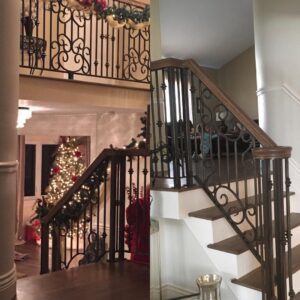
Many modern designs now combine materials — glass panels with metal frames, cable infill with wood top rails, or stone-clad posts with steel bars. Mixing materials allows homeowners to get the openness of glass or cable while still incorporating a warmer material like wood for the handrail, which is often the part of the railing people actually touch.
Best for: Custom or high-end terrace projects where no single material fully captures the desired look.
Choosing the Right Material: What to Consider
Beyond aesthetics, the material you choose affects long-term performance:
- Climate exposure. Coastal homes need corrosion-resistant materials like marine-grade stainless steel or aluminum. Homes in areas with heavy freeze-thaw cycles should prioritize materials that won’t crack or warp with temperature swings.
- Maintenance tolerance. Glass needs regular cleaning to stay streak-free; metal finishes vary widely in how well they resist scratching and fading; composite and aluminum options generally require the least upkeep.
- Building code compliance. Most U.S. jurisdictions require terrace railings to be at least 36 to 42 inches tall (depending on local code) with baluster spacing that prevents a 4-inch sphere from passing through. Always confirm requirements with your local building department before finalizing a design.
- Budget. Metal bar and composite railings tend to be the most cost-effective, while full glass panel systems and custom mixed-material designs sit at the higher end.
Matching Railing Style to Home Architecture
- Contemporary homes with clean lines and large windows tend to pair best with glass or cable railings that maintain the minimalist look.
- Modern farmhouse styles often lean toward black metal bar railings or cable railings with wood top rails.
- Craftsman and transitional homes typically suit composite or wood-look railings that echo traditional detailing without heavy maintenance.
- Coastal and waterfront homes frequently favor cable or glass railings specifically to preserve sightlines to the water while withstanding salt air and wind exposure.
Common Mistakes Homeowners Make
- Choosing a style before checking local code requirements. A stunning design that doesn’t meet height or spacing regulations means costly rework later.
- Ignoring maintenance realities. Glass looks incredible in photos but requires more frequent cleaning than most homeowners expect.
- Overlooking scale. A railing that looks great on a small balcony can feel visually heavy — or too flimsy — on a large wraparound terrace. Proportions matter.
- Forgetting about the handrail feel. Since it’s the one part of the railing people physically touch, material temperature and texture (metal can get very hot or cold) are worth factoring in.
Find the Right Railing for Your Terrace
The best terrace railing design isn’t just about following a trend — it’s about matching the material, style, and openness level to your home’s architecture, your climate, and how you actually use the space. Whether that means sleek glass panels for an unobstructed view, durable metal bars for a bold architectural statement, or a mixed-material design that brings the best of both worlds, the right railing can transform a terrace from simply functional to genuinely striking.
At PMFII, we help homeowners across the country design and install terrace railings that balance safety, durability, and style. Explore our full range of railing systems and get inspired for your next project at pmfii.com.