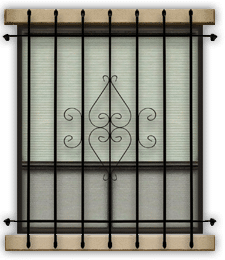
Every staircase tells a story about the home it belongs to, whether that home is a cozy craftsman bungalow or a sleek modern build. Yet for a long time, homeowners felt stuck choosing between two priorities that seemed impossible to combine: a railing that looked good, and a railing that actually kept people safe. The truth is, you don’t have to pick one. Today’s decorative railings for stairs are proof that beautiful design and structural safety can live in the same product, and this shift is changing how people think about one of the most overlooked features in their home.
Why Stair Railings Deserve More Attention Than They Get
Think about how often you touch your stair railing in a single day. You grab it heading up with an armful of laundry, lean on it while carrying groceries, and hold it tight when you’re rushing down half-asleep for that first cup of coffee. Despite this constant use, railings are often an afterthought in home design, treated as a code requirement rather than a design opportunity.
That mindset is starting to change. Homeowners are realizing that a staircase is one of the largest visual features in a home’s interior, often the first thing guests see when they walk through the front door. A plain, builder-grade railing can make even a beautifully decorated home feel unfinished, while a well-chosen decorative stair rail can become the focal point that ties an entire entryway together.
The Two Challenges Every Homeowner Faces
When people start looking into upgrading their stairs, they usually run into the same two concerns.
The style challenge. Standard railings tend to be generic, mass-produced, and forgettable. They don’t reflect the character of the home or the taste of the people living in it. Whether your style leans toward classic wrought iron, minimalist cable systems, or warm wood tones, finding a railing that actually matches your vision can feel like searching for a needle in a haystack.
The safety challenge. At the same time, safety isn’t negotiable. Railings need to meet local building codes, support real weight, and hold up over years of daily use. A railing that looks stunning but wobbles under pressure isn’t just disappointing; it’s a liability.
This is exactly where decorative stair railings earn their keep. They’re engineered to satisfy both needs at once, so you’re never forced to sacrifice one for the other.
How Decorative Stair Rails Blend Beauty and Function
Modern manufacturing and design have made it possible to produce decorative stair rails that are as sturdy as they are attractive. Here’s how that balance gets achieved:
Material choice matters. Iron, steel, aluminum, and hardwood each bring their own strength profile and aesthetic. Iron and steel offer intricate scrollwork and industrial durability, while wood brings warmth and a traditional feel. Aluminum splits the difference, offering a lighter but still resilient option for contemporary spaces.
Design details add character. Twisted balusters, geometric patterns, powder-coated finishes, and custom newel posts all transform a purely functional element into a design statement. These details don’t just look nice; they also help a railing feel intentional rather than an afterthought bolted onto the stairs.
Engineering keeps it safe. Reputable railing systems are built to meet load requirements and local codes, with secure anchoring points and consistent baluster spacing that keeps small children and pets safe. The decorative elements are layered onto a structurally sound frame, not used as a substitute for one.
Popular Styles Worth Considering
If you’re exploring decorative railings for stairs, it helps to know the general directions you can go:
- Traditional wrought iron with scrollwork and ornamental finials, ideal for colonial or Victorian-style homes.
- Modern cable railings that use horizontal wire for an open, airy feel in contemporary spaces.
- Wood and iron combinations that pair a warm wooden handrail with iron balusters for a transitional look.
- Glass panel railings that maximize light and visual openness, popular in minimalist and coastal designs.
- Custom forged designs featuring nature-inspired motifs, monograms, or patterns unique to the homeowner.
Each of these can be adapted to fit both indoor staircases and outdoor steps, porches, or decks.
What to Think About Before You Buy
Before settling on a specific decorative stair railing, it’s worth walking through a few practical questions:
- What’s your home’s existing style? The railing should feel like it belongs, not like it was dropped in from a showroom.
- What’s your budget? Custom ironwork tends to cost more than standard designs, but many manufacturers offer semi-custom options that balance affordability with individuality.
- Do you need indoor, outdoor, or both? Outdoor railings need weather-resistant coatings and materials that won’t rust or warp.
- Are you replacing or installing new? Retrofitting an existing staircase may come with different measurement and mounting considerations than new construction.
- What does your local code require? Height, spacing, and load requirements vary by location, so it’s worth checking before finalizing a design.
Why Getting This Right Pays Off
A well-designed staircase railing does more than prevent falls. It adds resale value, elevates the perceived quality of your home, and creates a lasting first impression for anyone who walks through your door. It’s one of those upgrades that quietly improves daily life while also making a visible statement about the care put into a home.
That’s the philosophy behind PMFII’s approach to railing design. Rather than treating stair rails as a box to check, PMFII builds decorative railings for stairs that are designed to hold up structurally while still giving homeowners the freedom to express their personal style. Whether you’re drawn to classic ironwork or something more contemporary, the goal is the same: a railing that feels like it was made for your home, not just installed in it.
Ready to Upgrade Your Stairs? Here’s Your Next Step
Choosing a staircase railing doesn’t have to mean compromising between how it looks and how it performs. With the range of decorative stair rails available today, homeowners can finally get both in one package. If you’re ready to explore options that combine craftsmanship, durability, and design, take a look at what’s possible at PMFII and see how the right railing can transform the way your staircase looks and feels.